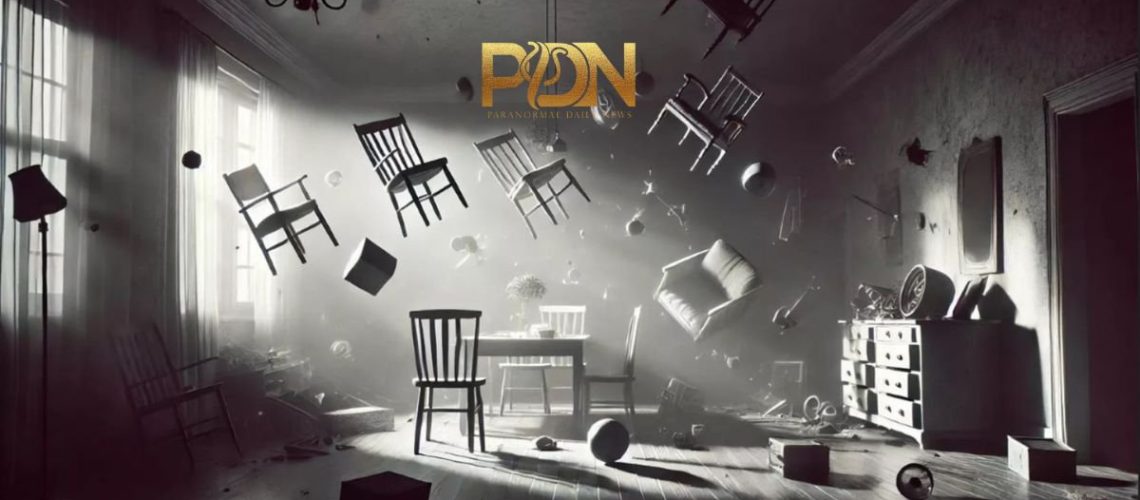

From the dimly lit corners of ancient folklore to the technologically advanced investigations of today, the mystery of poltergeists has captivated human imagination for centuries. Defined loosely as mischievous or noisy spirits that disturb the living by moving objects, creating noises, or even causing physical harm, poltergeists blur the line between the known and the unknown. While some dismiss them as products of overactive imaginations or elaborate hoaxes, others see them as glimpses into a realm beyond our comprehension. This article aims to delve into the multifaceted nature of poltergeist phenomena, exploring both scientific explanations and enduring cultural beliefs that continue to intrigue and perplex.
Understanding Poltergeists
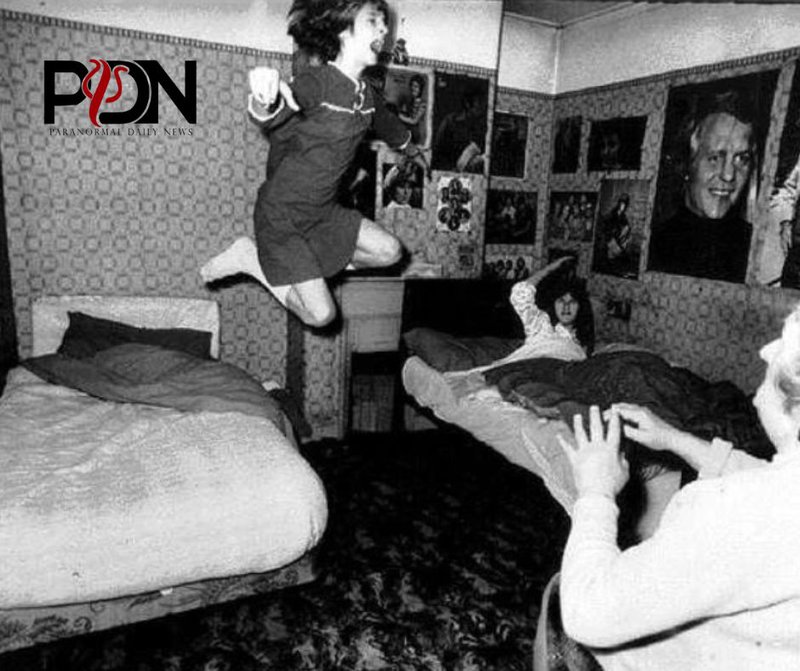
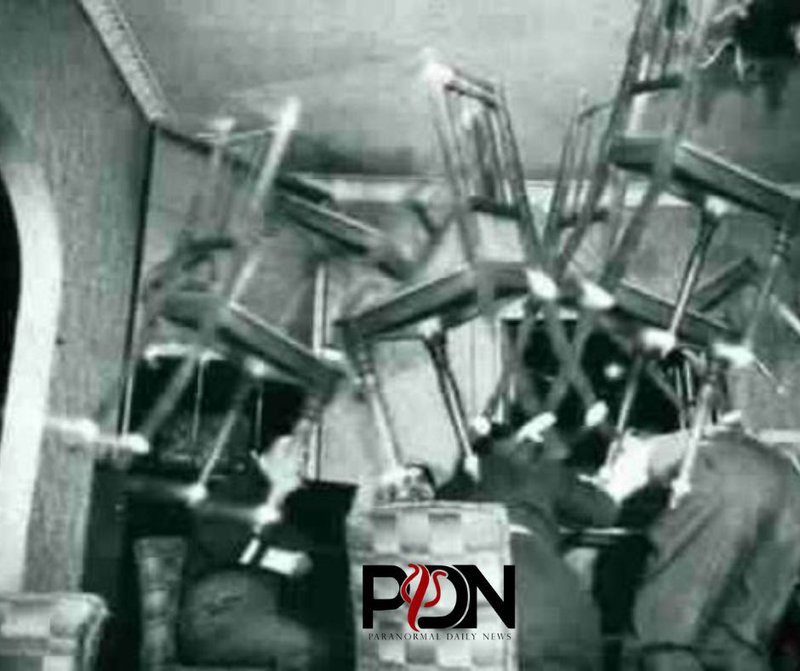
Poltergeist activity typically manifests through various unsettling phenomena. Objects mysteriously moving or being thrown, unexplained noises like knocks or footsteps echoing through empty halls, and sporadic bursts of light are common occurrences reported in alleged poltergeist cases. These events often defy conventional explanations, challenging both skeptics and believers alike to reconsider their understanding of reality.
Psychological Theories: One prominent avenue of exploration into poltergeist phenomena lies within the realm of psychology. Researchers have suggested that poltergeist activity may be linked to psychological stressors, particularly in adolescents. Cases often coincide with periods of emotional turmoil or high-stress environments, leading some experts to propose that these manifestations are externalizations of internal psychological conflicts. Mass hysteria, where a group's collective anxiety manifests in shared delusions or physical symptoms, has also been posited as a plausible explanation for some reported poltergeist incidents.
Scientific Explanations: Beyond psychological theories, scientific inquiry has sought to explain poltergeist phenomena through the lens of natural forces. Hypotheses involving electromagnetic fields, infrasound, or even spontaneous releases of stored energy have been put forward to rationalize inexplicable movements of objects or strange sensory experiences. While these explanations offer tangible frameworks, they often fall short in accounting for the diverse and often subjective nature of reported poltergeist encounters.
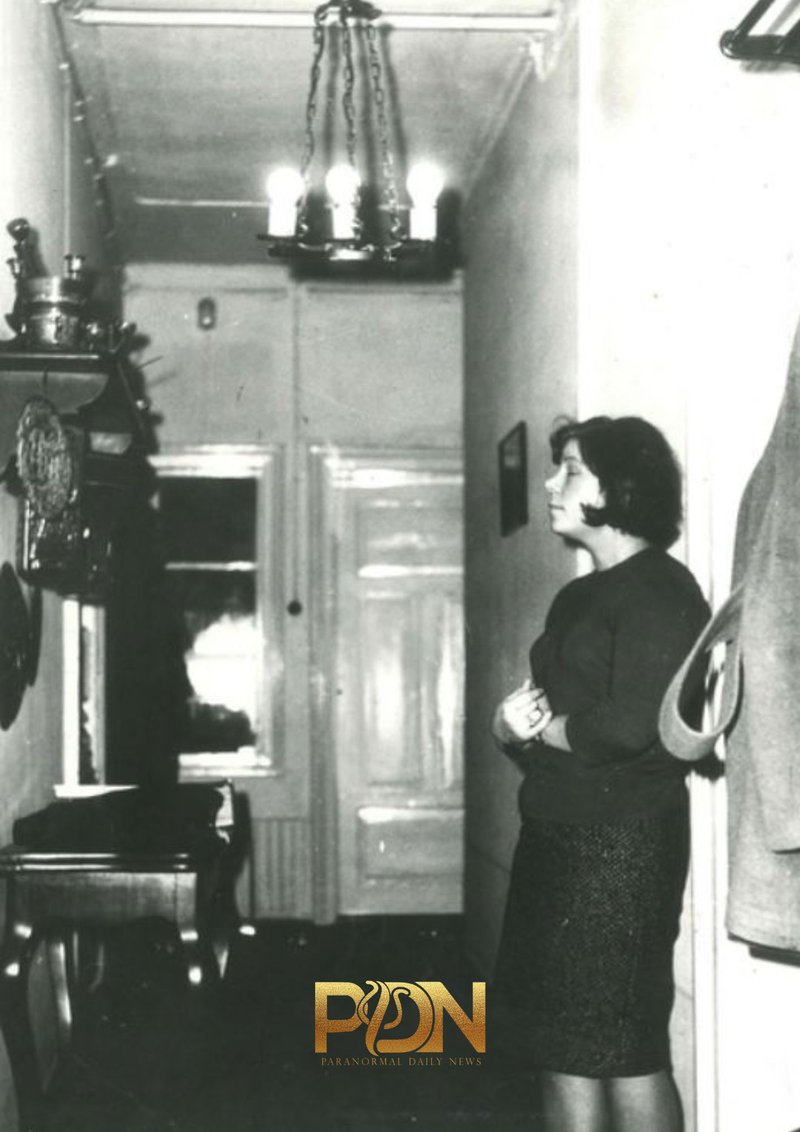
Case Studies: Throughout history, numerous cases have emerged that purportedly involve poltergeist activity. The infamous Enfield Poltergeist in the 1970s, where a council house in London was allegedly haunted by a malevolent spirit that tormented a family, remains a focal point of debate among paranormal researchers. Similarly, the Rosenheim Poltergeist in Germany in the 1960s captivated international attention due to its documented instances of inexplicable movement of objects witnessed by credible witnesses, including police officers and journalists.

Investigating Poltergeists
The investigation of poltergeists presents unique challenges, blending scientific rigor with the nuances of paranormal belief systems.
Methods and Technologies: Paranormal investigators employ a variety of tools and techniques to document and analyze poltergeist phenomena. High-resolution cameras, electromagnetic field detectors, and audio recording devices are commonly used to capture potential evidence of paranormal activity. However, the subjective nature of paranormal experiences complicates the interpretation of such data, often leaving investigators with more questions than answers.
Challenges in Gathering Evidence: Perhaps the greatest hurdle in studying poltergeists lies in the inconsistent and ephemeral nature of the phenomena themselves. Reports of poltergeist activity are sporadic and often defy replication under controlled conditions, making it challenging to conduct systematic studies that yield conclusive results. Moreover, the emotional and psychological toll on witnesses can further cloud the reliability of testimonies and observations.
Ethical Considerations: Ethical dilemmas abound in the field of poltergeist research. Investigators must navigate the delicate balance between respecting the beliefs and experiences of witnesses while upholding scientific standards of evidence. Sensationalism and exploitation of vulnerable individuals who may be experiencing genuine distress must be vigilantly guarded against in the pursuit of understanding these enigmatic phenomena.
Cultural and Historical Perspectives
Across cultures and throughout history, beliefs in poltergeists have endured, shaped by local folklore, religious traditions, and contemporary media portrayals.
Folklore and Mythology: Poltergeists feature prominently in folklore worldwide, often depicted as restless spirits or manifestations of unresolved grievances. Tales of haunted houses and cursed locations persist in communities, passed down through generations as cautionary tales or explanations for unexplained occurrences.
Global Cases: Notable cases of poltergeist activity span the globe, transcending cultural and geographical boundaries. From Japan's traditional belief in tsukumogami, objects coming to life after a century, to the Indigenous Australian Dreamtime stories of mischievous spirits, diverse cultural interpretations of poltergeists highlight the universal human fascination with the supernatural.
Evolution of Beliefs: Over time, beliefs surrounding poltergeists have evolved alongside advances in science and shifts in societal norms. While once viewed solely through a supernatural lens, contemporary interpretations increasingly seek to reconcile paranormal phenomena with scientific inquiry. The enduring popularity of paranormal-themed media continues to shape public perceptions, perpetuating both intrigue and skepticism towards the existence of poltergeists.
Conclusion
In conclusion, the phenomenon of poltergeists remains as elusive and contentious as ever. Bridging the gap between paranormal belief and scientific inquiry poses a challenge that continues to intrigue researchers and enthusiasts alike. While advancements in technology offer new avenues for exploration, the deeply subjective and culturally embedded nature of poltergeist experiences ensures that definitive answers remain elusive. As we navigate the complexities of these enigmatic phenomena, one thing remains certain: the enduring allure of poltergeists will continue to inspire curiosity and debate for generations to come.
References
- Roll, W. G., & Persinger, M. A. (2001). Poltergeists, Electromagnetism, and Consciousness. Journal of Scientific Exploration, 15(1), 63-86.
- Davies, O., & Underwood, P. (2007). The Ghost Hunter's Guidebook: A Professional Investigator's Guide to Investigating Hauntings. Sterling Publishing.
- Guiley, R. E. (2007). The Encyclopedia of Ghosts and Spirits. Checkmark Books.
- Houran, J., & Lange, R. (2001). Hauntings and Poltergeists: Multidisciplinary Perspectives. McFarland & Company.
- White, R. A. (2015). Haunted Houses and Family Ghosts of Kentucky. University Press of Kentucky.
- Radford, B. (2017). Investigating Ghosts: The Scientific Search for Spirits. Rhombus Publishing.
- Alcock, J. E. (1981). Parapsychology: Science or Magic? A Psychological Perspective. Pergamon Press.