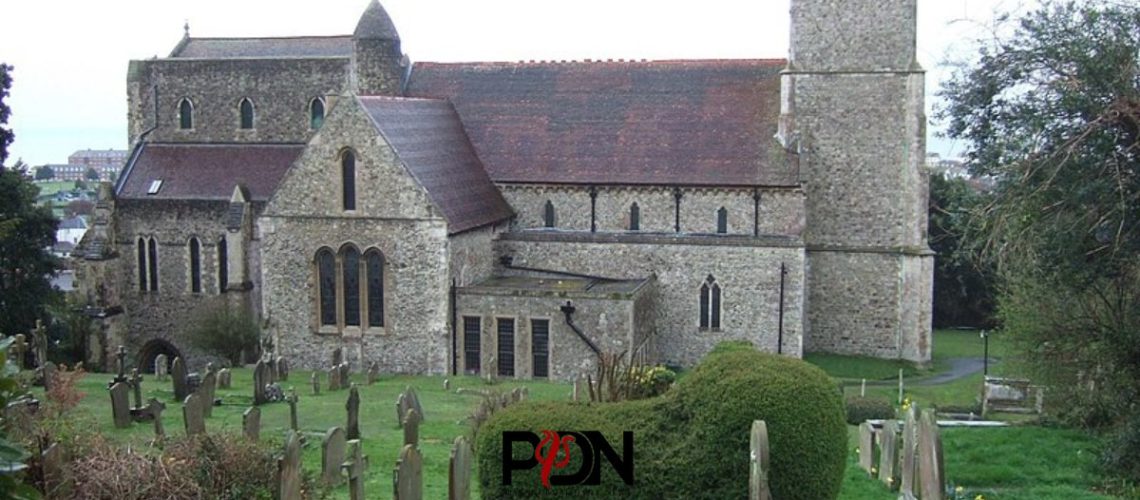

Standing sentinel over the Kent town of Hythe, St Leonard's Church is a testament to centuries of faith and history. Its imposing structure, a blend of Norman and Early English styles, hints at a rich past. Yet, within its walls lies a more unexpected story; a silent congregation of bone, housed in the largest and most well-preserved ossuary in Britain. This article delves into the intriguing history of St Leonard's Church. There is a particular focus on the enigmatic crypt and the ongoing quest to understand the lives it holds within its skeletal embrace.
A Church Steeped in History
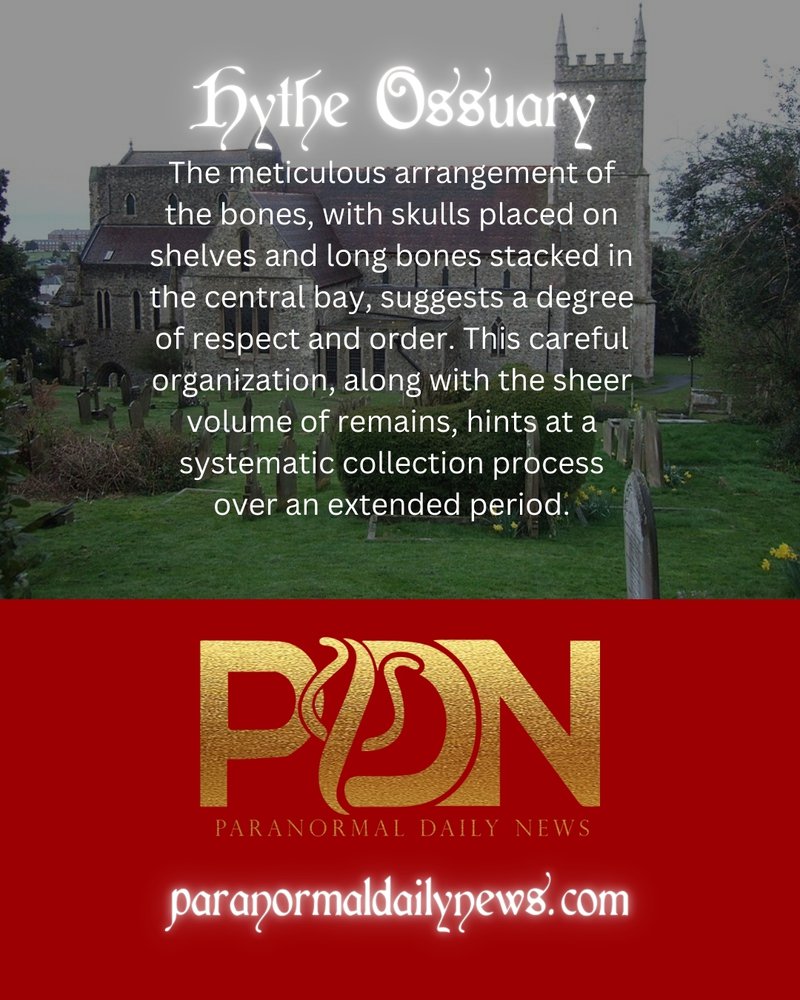
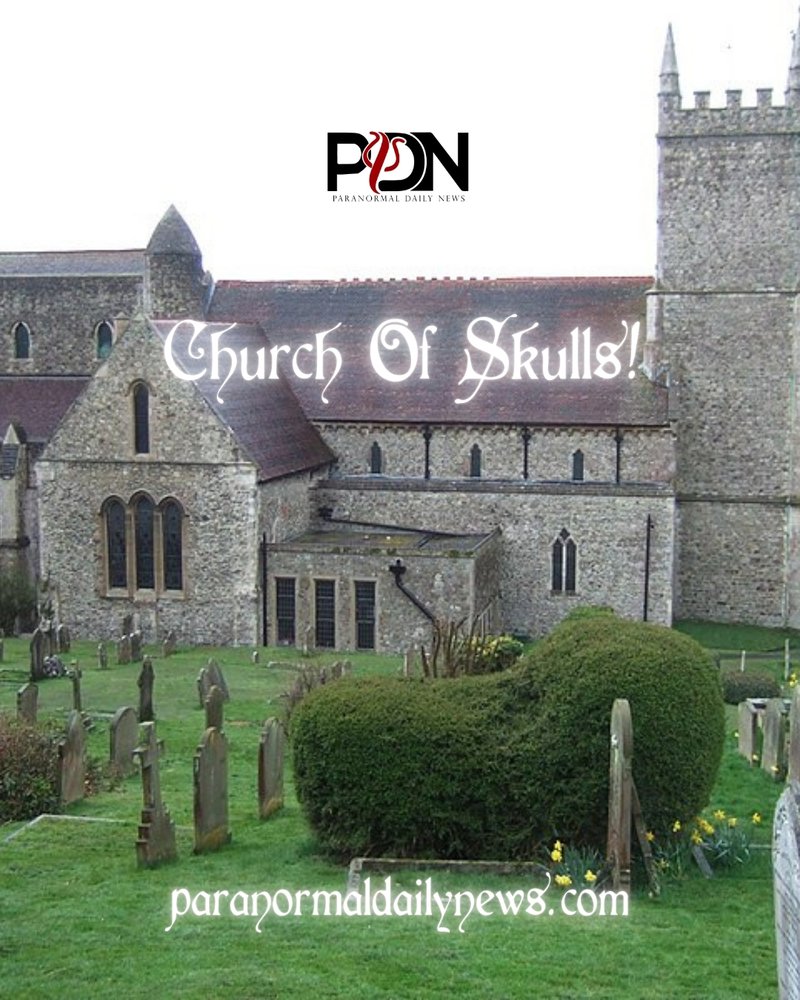
The origins of St Leonard's Church remain shrouded in some mystery. Historical evidence suggests a Saxon foundation, possibly as early as the 10th century. However, the earliest documented record dates back to 1090. A time when a Norman church dedicated to Saint Leonard, the patron saint of prisoners, stood on the site. The Normans, known for their architectural prowess, likely constructed the core of the present-day church.
Over the centuries, St Leonard's underwent several extensions and modifications. The 13th century saw the addition of the chancel, a key architectural element that would become intricately linked to the church's unusual crypt. Furthermore, this period also coincided with a growing trend of building charnel houses – dedicated spaces to store exhumed bones from overflowing cemeteries.
Unveiling the Crypt: A Repository of the Past
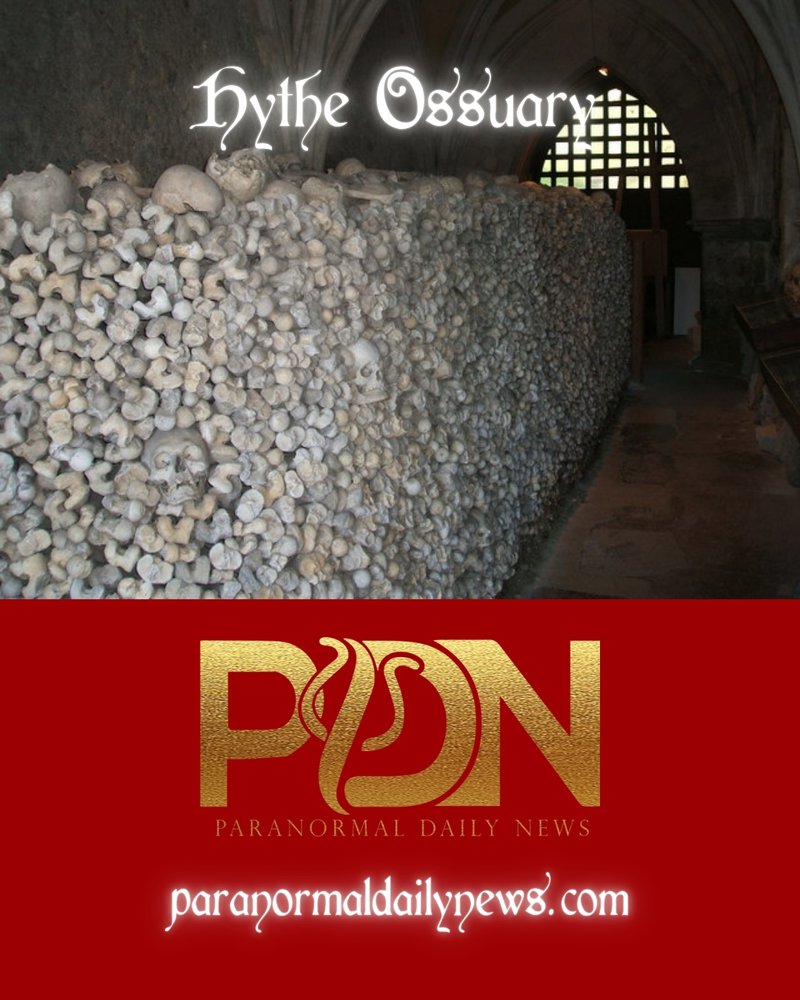
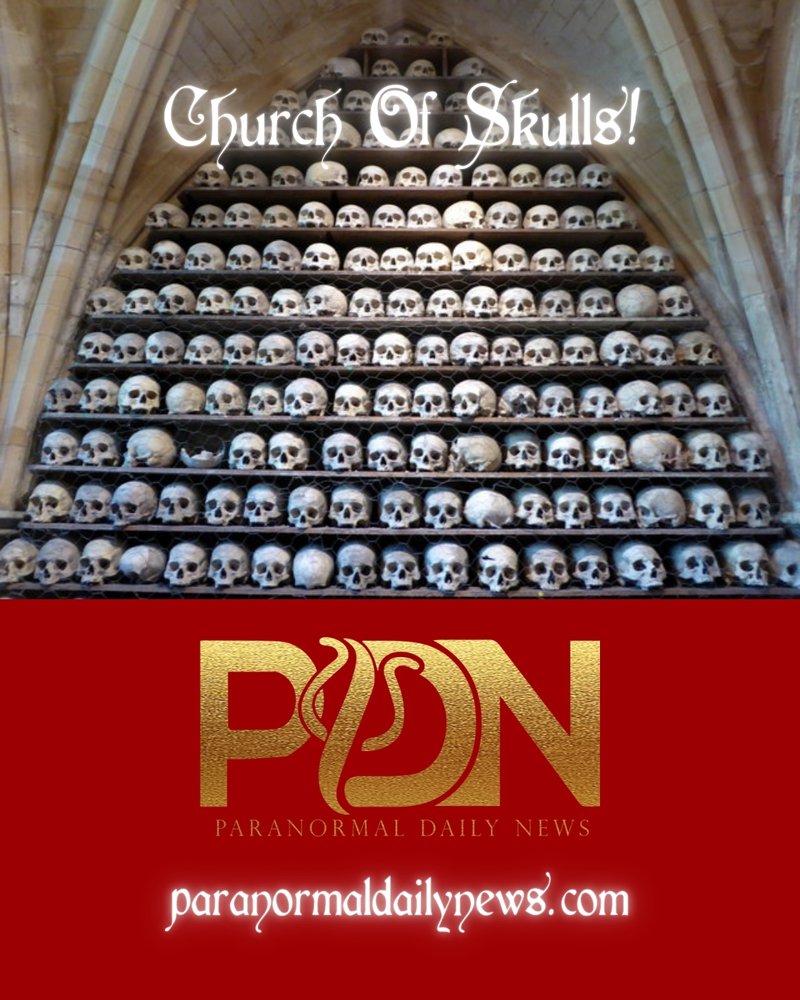
Descending a narrow staircase, visitors to St Leonard's Church encounter a sight both captivating and unsettling: the ossuary. Nevertheless, unlike traditional crypts, this space is not a subterranean chamber but an above-ground room built as part of the 13th-century chancel extensions. Lined with shelves along its four arched bays, the ossuary holds an estimated 2,000 skulls and a staggering 8,000 thigh bones.
The precise reason for creating such a repository is open to debate. One theory suggests it served a practical purpose – as a charnel house, storing exhumed bones from the surrounding churchyard to make space for new burials. Consequently, this practice was quite common in medieval England, though the sheer scale and meticulous arrangement of the Hythe ossuary set it apart.
Another theory proposes a more spiritual significance. During the Middle Ages, memento mori – the contemplation of mortality – was a prevalent theme in religious thought. The ossuary, with its stark display of human remains, could have served as a powerful reminder of death's inevitability and the importance of living a righteous life.
The Whispers of the Skulls: Unveiling Identities
The origins of the individuals represented in the ossuary remain a subject of ongoing research. Radiocarbon dating has confirmed that the bones date primarily to the medieval period, ranging from the 12th to the 15th centuries. This timeframe coincides with a period of significant population growth in Hythe, a bustling port town.
A closer examination of the skulls reveals intriguing details. Several exhibit signs of trepanation, a surgical procedure involving the drilling of a hole in the skull. While the exact reasons for trepanation in these cases remain unclear. It was a practice employed for various ailments, ranging from headaches to epilepsy.
The meticulous arrangement of the bones, with skulls placed on shelves and long bones stacked in the central bay, suggests a degree of respect and order. This careful organization, along with the sheer volume of remains, hints at a systematic collection process over an extended period.
Modern Research and the Untold Stories
In recent years, advancements in archaeological and forensic techniques have opened new avenues for understanding the lives represented in the ossuary. Researchers have begun analyzing the bone structure and chemical composition to glean information about diet, health, and even geographical origins of the individuals.
Isotope analysis, for instance, can reveal dietary patterns based on the presence of specific elements absorbed through food. Such research could shed light on the socioeconomic diversity of the population buried at St Leonard's and whether the ossuary contained remains from across the social spectrum.
DNA analysis, while a complex undertaking on such aged remains, holds the potential to unlock even more profound insights. It could reveal genetic relationships between individuals and potentially provide clues about migration patterns and disease prevalence in medieval Hythe.
Conclusion
The Hythe ossuary serves as a powerful reminder of the impermanence of life and the enduring power of human curiosity. Standing as one of Britain's most well-preserved repositories of the past, it presents a unique opportunity to delve into the lives of a medieval community.
The ongoing research into the origins and identities of the individuals housed within the ossuary promises to unveil a wealth of information. This knowledge has the potential to not only illuminate the specific history of Hythe but also shed light on broader social, dietary, and health practices of medieval England.

References:
Parish of St Leonard, Hythe. "The history of St Leonard's church." The Parish of St Leonard, Hythe, www.slhk.org. Accessed July 9, 2024.
Brown, Peter. Medieval Charnel Houses and Ossuaries in England. Cambridge University Press, 2018.
Thomas, Anne. Sacred Bones: The Spiritual Significance of Ossuaries. Routledge, 2021.
Flickering Lamps, https://flickeringlamps.com/2015/07/10/the-extraordinary-ossuary-at-st-leonards-church-hythe/
Public Domain Images